Description
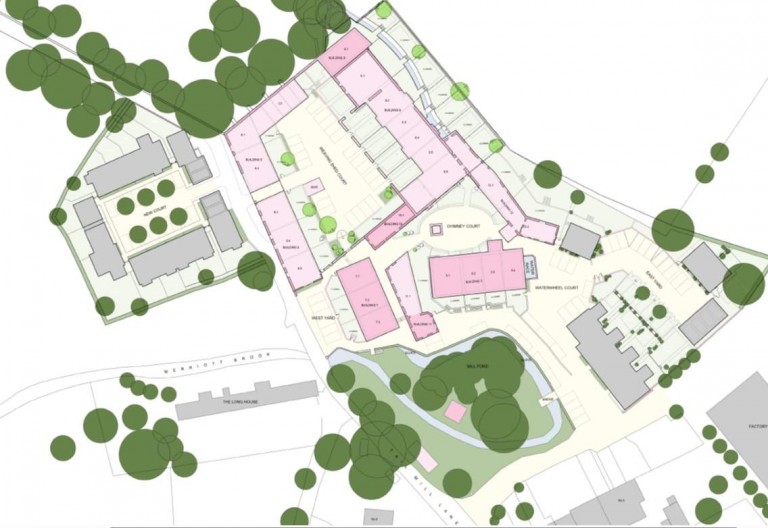
An opportunity to develop a fabulous community of 23 individual character properties. Planning Ref: APPLICATION NO 24/02486/S73 & 14/04200/FUL.
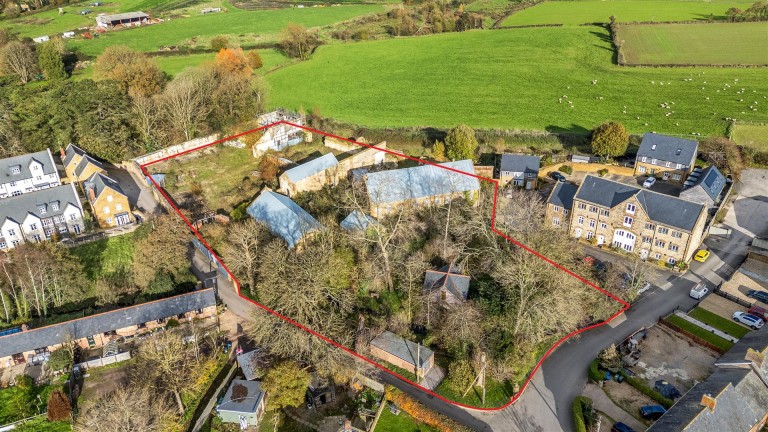
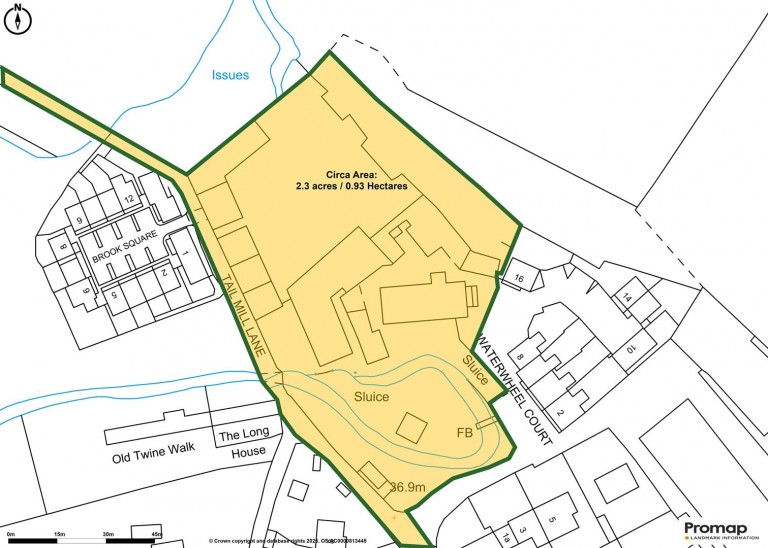
The Site - The Tail Mill site (Grade II Listed) offers a tremendous opportunity to develop a fabulous community of 23 individual character properties nestling in this distinct no-through rural lane, enjoying fabulous leafy walks around the old mill pond/stream, which will form a distinct backdrop for these Ham stone converted industrial buildings.
Location - Merriott village has an excellent range of local services, including a garage, a petrol station, two general stores, a post office, pub, a pharmacy (which will collect prescriptions and deliver medicines), and a pottery. There is a church, a chapel, a village hall, tithe barn and a social club, which are all host to a wide range of activities. There is also a recreation ground with junior and senior play areas, cricket and football pitches, tennis courts and a bowling green, a separate squash club and court. The village also has its own pre-school and Primary school.
Merriott has excellent road links to both the A303 and A30, both of which lie within a short drive. Crewkerne is a traditional market town with a range of shops, including a Waitrose Supermarket that deliver locally, a superb indoor pool/gym complex and a main line railway station for the London Waterloo to Exeter line.
History - The site is located just to the east of the village of Merriott in South Somerset. It was originally used as a corn and grist mill dating back as far as the late thirteenth century. It was then converted to a textile mill for flax spinning (specifically sailcloth) during the 1820s and used for this purpose until c.1929. Whilst some of the buildings and walls that are now present may have been built on earlier structures, the majority of the current historic fabric was built during this period of around a hundred years. The mill pond survives (although largely filled in) together with two sluice gates and associated watercourses. Many of the Ham stone buildings also remain intact; these include an early nineteenth-century warehouse, an early to mid-nineteenth-century textile Mill with internal engine and boiler houses, four long mid-nineteenth-century warehouses, a mid-nineteenth-century north light shed, and a late nineteenth-century / early twentieth-century engine house. The site was used as a plastics moulding factory from c.1938 until a few years ago.
Directions - What3words: ///counters.glitz.costumed
Planning Details - Link to planning portal: https://ssdc.somerset.gov.uk/planningdocuments?ref_no=24/02486/S73
Planning Ref: APPLICATION NO 24/02486/S73 & 14/04200/FUL